Life coaching
You don't have to believe in yourself to begin.
You can be unsure. You can be hurting. You can want your life to change and have no idea where to start. We can start there.
Who coaching is for
Two ways people come to coaching.
Some people come to coaching on their own. Others arrive after a hard season has settled and there's rebuilding to do. Either way, the work fits the situation. Prefer to read first? The longer pieces in Tools & Insights go deeper into how this work actually happens.
Aftercare
Continuing the rebuilding.
Some of my coaching clients first came through a crisis that's now behind them. Things have stabilized — now coaching keeps that momentum going.
This is the after-care part of the work: rebuilding routines and relationships, keeping the agreements made along the way, and continuing to build a life worth staying sober and present for — one step at a time.
Coaching on its own
You don't have to be in crisis.
Some people call me simply for coaching. They're not caught in a dependent addiction cycle — they just know their life could be better, and they want help getting there.
Maybe it's direction, structure, a relationship, a career move, or a habit that needs to change. Coaching gives you a clear plan, honest feedback, and someone in your corner while you follow through.
Young adults
Guidance that meets them with respect.
Young adults facing depression, pressure, substances, or big transitions deserve support that meets them with respect, not lectures — direction, accountability, and someone in their corner while they find their footing.
I believe in walking beside you — not in front of you, not behind you. We look at what's happening in your life, figure out what you need, and take the next indicated step together.
I know what it takes to begin again.
I've had to find my way out of dark places. I've felt hopeless. I've given up. There have been times when I thought the pain, trauma, and memories of my past would swallow me whole. I know what it's like when the people you love tell you you're not lovable.
The man who helped me change my life after years of chaos and then oblivion didn't give me a perfect plan. He encouraged me to stand up, lift my head, and get in motion.
I tried. Some things helped. Some didn't. I accepted support and tried again. Slowly, those efforts became a different life.
That experience is part of why I do this work. I know how much it can matter to have someone beside you while you find your way.
Sometimes you need someone who can see what you've gotten used to.
Throughout nearly a decade as an interventionist, I've worked with individuals and whole family systems. I've seen how easily people fall back into familiar roles — and how powerful it can be when someone starts responding differently.
Very often, relationships are at the center of what feels stuck: with a partner, a parent, a child, or yourself. Having someone outside that system listen carefully and reflect back what's being said and done can create room for change.
I bring that perspective, my lived experience, and my training as a Certified Intervention Professional (CIP) and Certified Recovery Peer Advocate (CRPA) to my coaching.
We turn those conversations into action: preparing for a difficult conversation, building structure into your day, setting a boundary, or following through on something you've been avoiding. We check in, look honestly at what happened, and decide what comes next.
I'm also a conduit to support. When you need other professionals or resources, I help you find them. We explore options together and pay attention to what helps. Your life deserves an approach that fits you.
Even a full life can carry a voice that says not enough.
You can be successful, doing well on paper — and still hear an inner voice that makes you feel small, alone, or unworthy. I've found that voice tells remarkably similar stories whatever the circumstances. Together, we notice its language, turn down the volume, and practice a different response — one step at a time.
Self-esteem comes from doing esteemable things.
You don't have to wait until you feel confident to take action.
Some days, we begin with the basics. Get up. Make your bed. Make coffee. Clean the dishes. Go to the gym — even if showing up is all you can manage that day.
Practice kindness. Be the person who smiles at someone on the subway. Ask for help. Keep a small promise to yourself.
Those actions matter, even when you're still in pain. Over time, following through gives you reasons to trust yourself. You begin to see that you can participate in changing your own life.
Some of the greatest things in my life happened while I was trying to get somewhere else.
I believe change often happens through the act of trying. You work toward something and discover a strength, a connection, or a possibility you couldn't have planned for.
We'll have goals. We'll also pay attention to the life happening along the way: the inner dialogue shaping your decisions, the patterns in your relationships, the moments when you can choose a different response.
Being present gives you a chance to notice those openings and act on them.
You don't have to know the whole way forward. We can work with what's here today.
Maybe some small part of life changes for the better.
And for today, that's enough.
Let's find your next step.
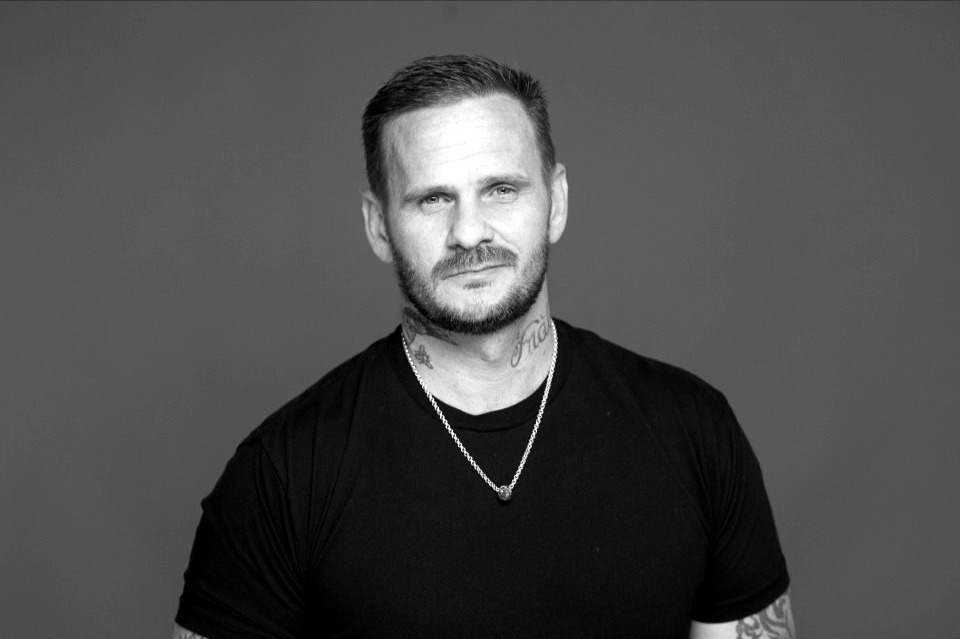
Jacob Hardt, CIP
If it's more urgent than coaching
When someone is in crisis, that comes first.
Coaching works best once things have settled. If someone you love is in active crisis right now, intervention comes first — and it just begins with a phone call.
Learn about interventionHow it works
A clear plan, and someone in your corner.
- 1
Discovery call
We talk about where you are, where you want to be, and whether we're a good fit.
- 2
A clear plan
Together we set goals and a rhythm of regular sessions — in person, by phone, or video.
- 3
Support between sessions
Accountability and check-ins so progress keeps moving between our conversations.
Coaching is shaped around your situation and quoted individually — some people want steady, daily contact; others just need someone to talk to once in a while — a sounding board. We can discuss what fits on our first call and adjust as things change.
What clients say
From the people I've coached.
“Jacob has been invaluable on our journey toward our son's break from addiction. His warmth and caring have seen him transition from an interventionist to a trusted mentor.”
“His support and wisdom allowed me to finally start my road to recovery in earnest — learning how to love myself, find real peace, and construct a life full of meaning and joy.”
Curious whether coaching fits?
The first call is a conversation, not a commitment. We'll talk about where you are, where you want to be, and whether we're a good fit.
Start the conversation